
Quick answer: Wondering how long does norovirus last? Typically, norovirus symptoms clear up in 1 to 3 days, but you can still spread the virus for up to 2 weeks after you feel completely fine. That dangerous gap is why norovirus rips through schools, offices, and cruise ships so fast — people go back to work feeling “better” while still shedding the virus.
What Is Norovirus, Exactly?
Norovirus causes a viral gastroenteritis that is commonly referred to as the “stomach flu,” although it is not related to influenza but is rather a separate entity and is the leading cause of viral gastroenteritis in the United States. It is estimated that Norovirus causes 19-21 million cases of illness each year, according to the Centers for Disease Control and Prevention.
Norovirus can be spread through contaminated surfaces with the feces or vomit of an infected person. It is a very hard virus to kill, and it can be present on surfaces for days or even weeks at a time, which makes it incredibly easy to contract by touching a contaminated surface such as a doorknob, a shared utensil, or having contact with a person who has not washed their hands following a trip to the bathroom.
How Long Does Norovirus Last? The Real Timeline
Here’s the full picture, broken into stages so you know what to expect at each point.
1. Incubation Period: 12 to 48 Hours
You won’t feel anything right away. After exposure, symptoms typically show up 12 to 48 hours later — most people feel it hit around the 24-hour mark. You’re not symptomatic yet, but you can already be contagious during this window, which is part of why norovirus spreads before anyone realizes there’s a problem.
2. Active Symptoms: 1 to 3 Days
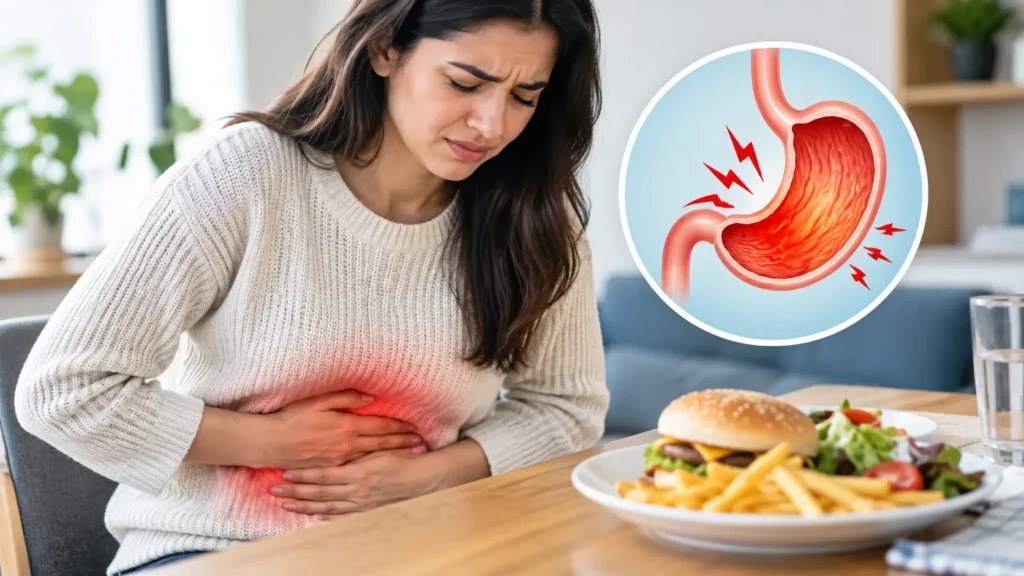
This is the prodromal period. The condition is characterized by sudden vomiting, watery diarrhea, stomach cramps, and nausea. In addition, patients often have a low-grade fever, headache, and body aches. Prodromal symptoms last for a short period, usually between one and three days, and resolve on their own, leaving the person healthy. However, children, older people, and those with chronic illnesses may have a more complicated course of the disease and may be at risk of dehydration.
3. Recovery, But Still Contagious: Up to 48-72 Hours After Symptoms Stop
A feeling fine means that you are safe to be around again? Not necessarily. You are contagious even when you feel better, for at least 48 hours after your last episode of vomiting or diarrhea. That’s because most people feel back to normal too soon, and return to work or school, and spread the infection to others, causing more vomiting and diarrhea. The CDC and others recommend that you stay home for two days after your last symptom as well.
4. Extended Shedding: Up to 2 Weeks (or Longer)
Here’s the part that surprises most people. Even once you’re past the 48-hour mark and feeling 100%, you can keep shedding norovirus particles in your stool for up to two weeks. The risk of actually infecting someone drops a lot after the first couple of days, but it isn’t zero. People with a weaker immune system can shed the virus for weeks or even months.
Norovirus Contagious Period at a Glance
| Stage | Timing | Contagious? |
| Incubation | 12-48 hours after exposure | Yes, even with no symptoms yet |
| Active illness | 1-3 days | Yes — highest risk period |
| Just after recovery | 48-72 hours post-symptoms | Yes — still high risk |
| Extended shedding | Up to 2 weeks after symptoms | Lower risk, but still possible |
Why Does Norovirus Spread So Easily?
List three reasons why norovirus is so highly contagious. First, it only takes a small amount of the virus to make someone sick. Second, norovirus can survive on surfaces for a couple of days or even weeks if not cleaned correctly. Third, people carrying the virus can spread it to others before they show symptoms.
What is your recommendation for handwashing to protect against norovirus infection? I think washing hands with soap and water is better than using hand sanitizer. The latter is not effective against norovirus, so people should wash their hands for at least 20 seconds with warm water instead of using alcohol-based sanitizers.
How to Stop It From Spreading at Home
- Wash hands with soap and water, especially after using the bathroom and before eating or cooking
- Clean surfaces with a bleach-based disinfectant (the CDC recommends roughly 3/4 cup of bleach per gallon of water for hard, nonporous surfaces)
- Wash contaminated laundry — sheets, towels, clothing — on the hottest setting your fabric allows
- Keep the sick person’s food and dishes separate until they’ve fully recovered
- Stay home from work or school for at least 48 hours after symptoms stop, longer if you work in food service or healthcare
When to See a Doctor
Most norovirus cases get better on their own with rest and fluids. But dehydration is the real danger, especially in young children, older adults, and anyone with a chronic illness. Call a doctor if you notice:
- Dry mouth or extreme thirst
- Little or no urination for 8+ hours
- Dizziness when standing up
- Blood in vomit or stool
- A fever above 104°F
- Symptoms lasting longer than 3 days
There’s no antiviral medicine for norovirus and no vaccine yet. Treatment just means replacing fluids — water, broth, oral rehydration solutions like Pedialyte — until your body clears the virus on its own.
Frequently Asked Questions
How long does norovirus last in adults?
Most healthy adults feel better within 1 to 3 days. Full recovery, including appetite and energy, can take a day or two longer.
Can you be contagious with norovirus without symptoms?
Yes. You can shed the virus during the 12-48 hour incubation period before symptoms start, and some infected people never develop obvious symptoms at all while still being able to pass it on.
Is norovirus contagious after symptoms stop?
Yes. You’re still considered highly contagious for 48 to 72 hours after your last vomiting or diarrhea episode, and you can keep shedding the virus at lower levels for up to two weeks.
Does hand sanitizer kill norovirus?
Not reliably. Alcohol-based sanitizers are much less effective against norovirus than against many other germs. Washing with soap and water is the better option.
How long does norovirus live on surfaces?
Norovirus can survive on hard surfaces for days, and in some cases weeks, if they aren’t cleaned with a disinfectant strong enough to kill it, such as a bleach solution.
Can you get norovirus twice?
Yes. There are many different strains of norovirus, and getting infected with one doesn’t give you lasting protection against the others. Immunity to the same strain also fades after a few months.
The Bottom Line
Norovirus is short but severe, as most people feel completely normal after three days. What most people don’t know is that you remain contagious even when you feel well. This period can last from as short as 48 hours to two weeks. As such, it’s best to take extra precautions when around other people for up to two weeks after you feel better.